CVT vs Automatic Transmission: Key Differences & Benefits
 By Admin
Reading time: 8 min read
Published on: 22 / 08 / 2024
Updated on: 31 / 10 / 2026


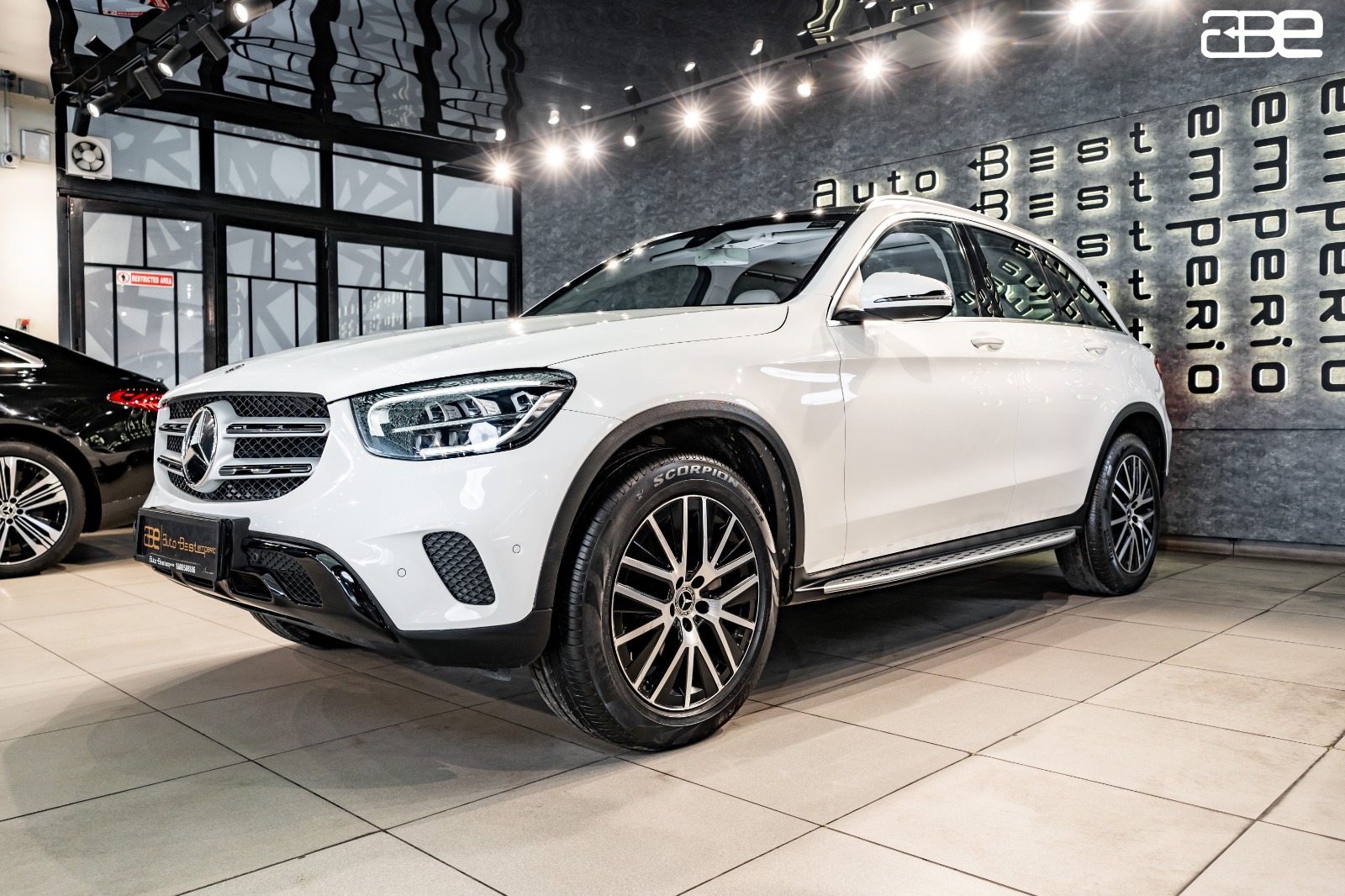
Choosing an automatic car should make driving easier, but the gearbox can change how a car feels behind the wheel. A CVT transmission is itself a type of automatic; the usual CVT vs automatic comparison refers to a CVT versus a conventional, stepped automatic gearbox. AMT is another design altogether. Understanding these differences helps you ask better questions about acceleration, servicing and everyday use. Here is what to consider before deciding which transmission belongs on your shortlist.
CVT Transmissions vs Automatic: How They Work?
The standard automatic transmissions have a complicated series of gears, brakes, and clutches. These gears are usually referred to as speed limits. In an automatic transmission, each gear can only reach a certain vehicle speed, when the driver changes it. This transmission goes up like the first, second, and third.
However, in comparison of Automatic vs CVT Transmission, the CVT Transmission produces the most effective speed of the engine even if the vehicle is accelerating quickly. This transmission only has a single gear which is suitable for all kinds of driving needs and conditions. Here, the driver does not need to shift from one gear to another to accelerate speed. Drivers will notice a change in engine speed or RPMs which is frequently higher for acceleration and lower for cruising purposes. It can be said that CVT is the prime example of how vehicles are enhancing and upscaling day to day. Thus, CVT has been gaining immense recognition in the past few years.
Exploring Their Key Benefits of CVT vs Automatic
Before buying, it's important to consider cvt vs automatic pros and cons in detail. Here are some of the critical benefits of CVTs Transmission that put them a step ahead from the orthodox automatic transmissions.
Benefits of CVT Transmission
Better Fuel Efficiency
CVTs are more efficient due to their capability of adjusting gear ratio continuously for optimum running and working of the engine. On the other hand, the conventional automatics have very few and limited number of gears. The maximum is having up to 10, these CVTs can alter the ratio infinitely. Such flexibility in the gear system often leads to better fuel economy.
Lighter Weight
Continuously Variable Transmissions are generally more light weight, compact in comparison to all the classic automatic transmissions. They do not take up large spaces and also weigh very less which can support the improvement of overall efficiency of the car.
Non-Complexity and Cheaper
As said earlier, the automatic transmissions are very much complicated and have a number of parts, which makes them expensive and difficult to assemble. Whereas in comparison, the CVTs have a straightforward design which makes them cheap and easier to manufacture in the market.
Smoother Performance
As there are no fixed gears in CVTs, they provide a smooth acceleration to the drivers. Even, they adjust seamlessly to all kinds of driving requirements and conditions as per your speed needs. This ensures a steady and consistent driving experience without the necessity of gear changing ability.
Benefits of Automatic Transmission
There is no doubt that Automatic Transmission also guarantees some of the crucial advantages that are beneficial for the car enthusiasts. Let's unfold its benefits in detail:
Stronger Connection
The engine and speed of the vehicle is interconnected which provides a sense of connection between the gears and engine through speed.
Sense of Control
The driver surely gets a better sense of Control due to upshifting and downshifting of the gears. This helps the driver to control the vehicle as per their choice.
Less Maintenance Cost
The automatic transmissions are very less expensive to maintain as compared to CVTs Transmission. In case any fault occurs, an individual will have to incur a high amount of expense for its repair.
Engagement with a vehicle
If something is in your control, especially the car you are driving, it gives you a sense of accountability which offers more engaging experience and a smooth drive.
Which Is Better Between CVT OR Automatic Transmission?
Choose according to the car’s intended use and your preferences behind the wheel. If you enjoy a relaxed driving style, try a CVT and see whether its response feels natural. If you prefer noticeable gear changes or frequently use manual shift controls, a conventional automatic may feel more familiar.
When comparing CVT transmission vs automatic, ask practical questions: Is specialist servicing available nearby? What does the warranty cover? Does the manufacturer approve the car for your intended towing or carrying needs?
For a pre-owned purchase, a documented service history and a satisfactory inspection should carry more weight than a general preference for either gearbox. Test both shortlisted cars before deciding.
CVT Transmission vs Automatic Transmission: Comparison at a Glance
|
Feature |
CVT transmission |
Conventional automatic (AT) |
|
Gear ratios |
Continuously variable ratios |
Fixed gear ratios |
|
Gear shifts |
No distinct conventional gear shifts |
Shifts between gears automatically |
|
Driving comfort |
Smooth, continuous acceleration |
Depends on gearbox design; can be very smooth |
|
Fuel efficiency |
Often efficient, depending on vehicle and conditions |
Varies by transmission, engine and driving conditions |
|
Acceleration feel |
Engine RPM may rise before speed builds proportionately |
Gear changes may be noticeable; behaviour varies |
|
Maintenance |
Requires correct fluid and model-specific servicing |
Maintenance depends on gearbox design and manufacturer guidance |
|
Best suited for |
Drivers who value smooth everyday driving |
Drivers seeking comfort, versatility or particular performance characteristics |
Why Chose CVT vs AMT
An AMT automates the clutch and gear changes of a manual gearbox, so pauses between shifts can be noticeable. A CVT varies its ratios continuously. If you are asking, “CVT vs AMT: which is better?”, weigh the CVT’s uninterrupted delivery against the AMT model’s purchase price, equipment and servicing costs. Neither design guarantees better fuel economy in every car.
Which Transmission Is Better for City Driving and Highways?
Test how easily the car creeps, parks and reacts when you lift off the brake in city traffic. Focus more on overtaking response, cruising noise and downhill control on the highways. A conventional auto may be better for those who prefer stepped acceleration , while a CVT can cope with either .
If you plan to go over hills or tow, check the limits for that particular vehicle. You decide CVT vs automatic after driving the shortlisted cars on roads similar to the ones you drive on.
Is CVT More Reliable Than an Automatic Transmission?
No transmission type is always better than any other for all cars. Which generation of gearbox and engine pairing, service history and previous use is more important than what badge is on the selector. Before you buy, check that the correct fluids have been used and that scheduled maintenance is recorded.
Have a specialist check warning lights, shuddering or delayed engagement. Just because it’s a CVT transmission doesn’t mean it’s less durable, and just because it’s a standard automatic doesn’t mean it’s cheaper to fix. Compare known issues and repair support between each model.
Conclusion
A proper test drive reveals more about a gearbox than a specification sheet does. Try parking, pulling away up a gradient and accelerating once the car is warm. If something seems odd, ask about it. Then look at the service records before you decide.
Whether you are looking at used Mercedes cars, pre owned BMW cars or Lamborghini cars for sale, check the exact transmission fitted to the model and year. Ring AutoBest for more information about the car and arrange a viewing to see if it’s the right one for you.
FAQs:
What is the difference between CVT and automatic transmission?
CVT vs. automatic transmission refers to how the ratios are changed; in a conventional automatic, they are fixed, while in a CVT, they are changed continuously. Both are equipped with an automatic clutch.
Is CVT better than automatic transmission for city driving?
A CVT is good for frequent stops, since it eliminates the need for traditional gear changes. Parking response, however, is a factor, as are visibility and brake feel. Before choosing your car, look at cars that are in traffic.
Which is more reliable, CVT or automatic transmission?
Both designs offer no increased reliability. Examine the maintenance requirements and repair support of the specific gearbox along with its history. If you are buying a used car, something other than transmission labels can be a better indication, such as documented servicing and an independent inspection.
CVT vs AMT: Which is better?
If you want to accelerate without any traditional shift pauses, opt to go with a CVT. If the car is short listed but better fits your budget, then consider an AMT. Try both – parking manoeuvres and hill starts.
How do CVT and automatic transmissions impact resale value?
The value of the resale will vary according to the model, condition, mileage and local demand. There's no premium passed on for automatic transmission. Buyers may also want to take into account the reputation of the gearboxes, what they have found, and what repairs may be needed.
5. How do CVT and automatic transmissions impact resale value?
As per the latest trends, CTVs are more in trend, which makes it more expensive and popular among the generation. Its advanced technology also makes it expensive, which in turn makes the resale value higher.